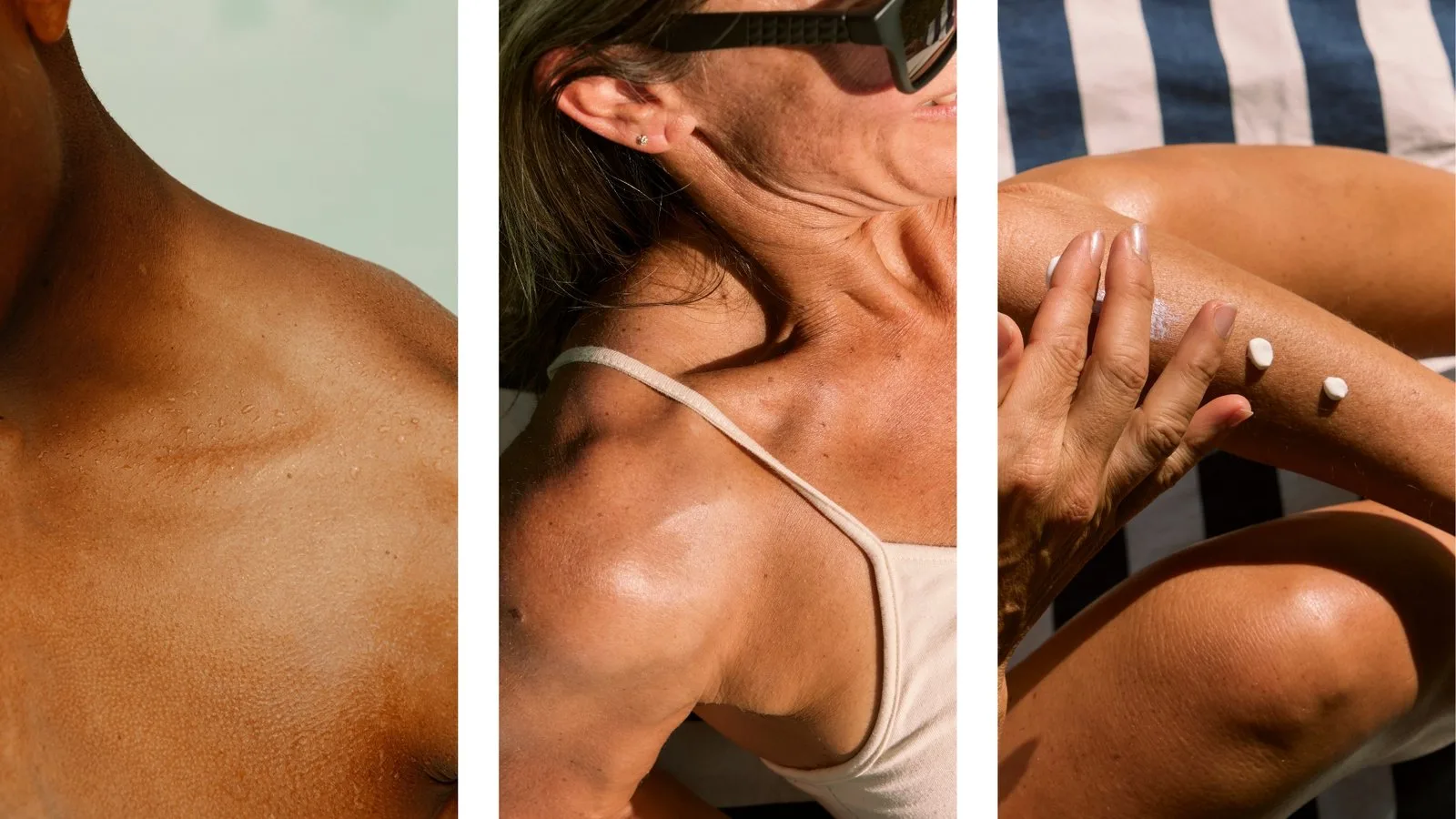
After the summer, a lot of skin arrives at the clinic with the same visual diagnosis: tightness, lack of radiance, uneven texture, small lines that are more marked and a feeling of “dull” skin. The sun, chlorine, sea salt, sweat and changes of routine can disturb the skin barrier and encourage dehydration.
At Harmony by Agas, the advice is clear: before rushing off to try products at random, it is worth assessing how your skin is and designing a routine or treatment to suit it. Because hydrating your skin after summer is not just about applying a cream: it is about restoring balance, comfort and barrier function.
Why your skin becomes dehydrated after the summer
During the hot months, the skin is exposed to several factors that can weaken it:
- Solar radiation.
- Chlorine in swimming pools.
- Sea salt.
- Air conditioning.
- Sweating.
- Changes in the facial routine.
- Less consistency with moisturising and night-time care.
The result can be skin that is drier, more sensitive or more reactive. Pigmentation, redness or a rougher texture may also appear. That is why the main aim after the holidays is to repair, moisturise and protect.
Hydrating your skin after summer starts with repairing the skin barrier
The skin barrier works like a shield. When it is disturbed, the skin loses water more easily and becomes more sensitive. That is why a good post-summer routine should include actives that help maintain hydration and reinforce the barrier.
Ingredients such as ceramides, hyaluronic acid, glycerin or repairing formulations can be useful for improving the skin’s hydration and tolerance. The American Academy of Dermatology recommends choosing moisturisers according to skin type and prioritising suitable products when there is dryness or sensitivity.
The trick here is not to use ten products — the skin does not need a complete house move — but to choose well.
A basic routine to hydrate your skin after summer
A simple, consistent routine usually works better than a very long one you abandon on the third day. To help your skin recover after the summer, we recommend starting with these steps:
- Gentle cleansing: Avoid harsh cleansers, strong exfoliation or products that leave a feeling of tightness. Cleansing should remove traces of sunscreen, sweat and impurities without disturbing the skin any further.
- Moisturising with repairing actives: Look for textures suited to your skin: lighter if you have oily or combination skin, more nourishing if you have dry or mature skin. The aim is to provide water, improve elasticity and reduce that uncomfortable feeling.
- Daily sun protection: Even though the summer is over, sun protection is still essential. If pigmentation or hyperpigmentation has appeared, sun protection is part of the treatment, not an accessory. The AAD recommends a broad-spectrum sunscreen and, in cases of pigmentation, highlights the use of tinted sunscreens with iron oxides to help against visible light.
Exfoliation after the summer: yes, but with judgement
Exfoliation can help improve radiance, texture and skin renewal, but it should not always be the first step. If the skin is irritated, sensitive, flaking or red, it is better to calm and moisturise first.
In skin with acne, rosacea, dermatitis or a tendency to pigmentation, exfoliation has to be chosen carefully. A poorly indicated exfoliation can worsen sensitivity or encourage hyperpigmentation. So none of that “I’ll do a strong home peel and tomorrow I’ll be a new woman”, because skin does not forgive that sort of bright idea.
Hydrafacial to restore radiance and hydration
One of the most interesting treatments for hydrating your skin after summer is Hydrafacial, especially when the skin looks dull, with congested pores or a lack of radiance.
This treatment combines cleansing, gentle exfoliation, extraction and hydration in a single session. It can be a good option when we want to improve the overall look of the skin without a long recovery.
At Harmony by Agas, Hydrafacial can be built into a post-summer plan to prepare the skin, improve texture and boost radiance.
Skin Boosters: deep hydration from within
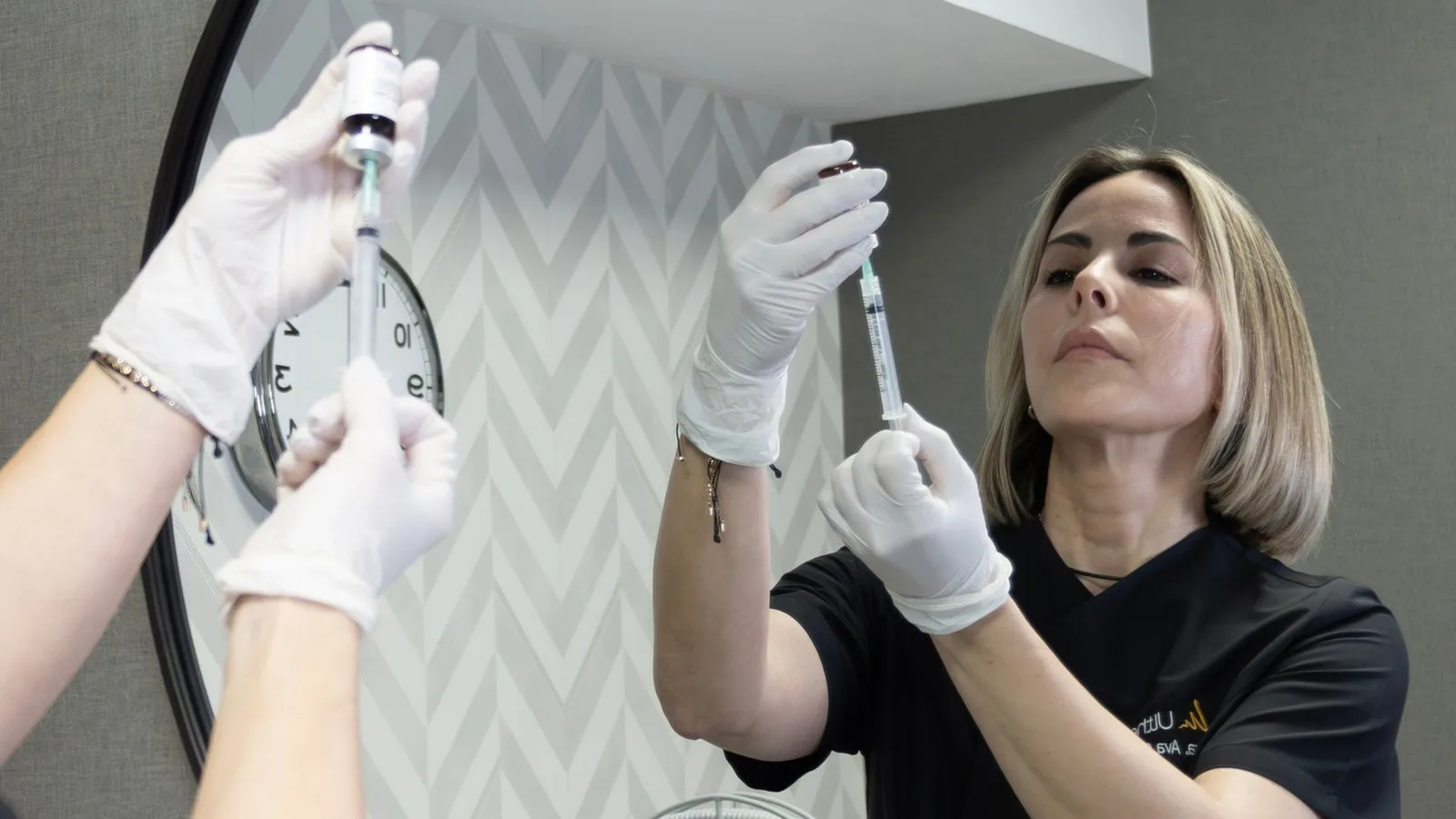
When the skin needs extra hydration, Skin Boosters can be a very interesting option. They are injectable treatments with low-density hyaluronic acid, designed to improve skin quality, elasticity and hydration without altering volumes.
They are not there to change features or to “fill”, but to provide deep, gradual hydration. That is why they tend to be recommended when the skin is thin, dull, dehydrated or has small lines marked by dryness.
In many cases, combining Hydrafacial and Skin Boosters makes it possible to work on both the surface and the deep hydration of the skin.
Pigmentation after the summer: hydration and depigmentation have to go together
After the summer, many people notice that their pigmentation has become more intense. It may be melasma, solar lentigines or post-inflammatory hyperpigmentation. In these cases, applying just any depigmenting cream is not enough: the type of pigmentation and the condition of the skin have to be assessed.
Sun protection is fundamental in any depigmenting protocol. Dermatological evidence indicates that protection against UVA, UVB and visible light can help as part of the management of melasma and post-inflammatory hyperpigmentation.
At Harmony by Agas we can consider treatments such as personalised peels, antioxidants, medical home-care routines or combined protocols, always after examining the skin.
When to book a professional consultation
We recommend booking a consultation if, after the summer, you notice:
- Tight or very dry skin.
- New or darker pigmentation.
- Persistent redness.
- Sensitivity when applying cosmetics.
- Rough texture.
- More visible pores.
- Loss of radiance.
- Fine lines that are more marked.
A consultation makes it possible to decide whether your skin needs only a home routine, a professional hydrating facial, Skin Boosters, Hydrafacial or a more complete protocol.
How to hydrate your skin after summer at Harmony by Agas
At Harmony by Agas, every post-summer plan starts with an individual consultation. We analyse the condition of the skin, the presence of pigmentation, the level of dehydration, the sensitivity and the goals of each patient.
Our approach combines:
- A personalised cosmetic routine.
- Professional facial hydration.
- Hydrafacial.
- Skin Boosters.
- Antioxidant protocols.
- Depigmenting treatments when they are needed.
The aim is for your skin to recover its radiance, comfort, hydration and evenness, without improvising and without overloading it with unnecessary products.
Book your consultation and find out how to hydrate your skin after summer with a plan adapted to you.
Summary: how to hydrate your skin after summer
To hydrate your skin after summer, the best approach is to repair the skin barrier with gentle cleansing, moisturising actives such as hyaluronic acid or ceramides, daily sun protection and professional treatments if there is deep dehydration, pigmentation or loss of radiance.
At Harmony by Agas, we carry out a personalised consultation to advise on the most suitable home routine, Hydrafacial, Skin Boosters or depigmenting protocols according to the real condition of your skin.
Frequently asked questions about how to hydrate your skin after summer
What is the first step to hydrate the skin after summer?The first step is to restore the skin barrier with gentle cleansing, suitable moisturising and daily sun protection. If there is irritation or pigmentation, it is worth having a professional consultation.
Does Hydrafacial help after the summer?Yes. Hydrafacial can help improve radiance, cleansing and hydration when the skin is dull, dehydrated or has an uneven texture.
Do Skin Boosters fill the face?No. Skin Boosters are not there to add volume, but to improve deep hydration, elasticity and skin quality.
Should I exfoliate my skin after the summer?It depends on the condition of the skin. If it is sensitive or irritated, it is better to calm and moisturise first. Exfoliation has to be adapted to the skin type and to the risk of pigmentation.
Is sun protection still necessary in autumn?Yes. Sun protection should be kept up all year round, especially if there is pigmentation or depigmenting treatments.